Travel rarely goes exactly as planned, and that’s kind of the point.
Gravel is designed for people who lean into unpredictability.
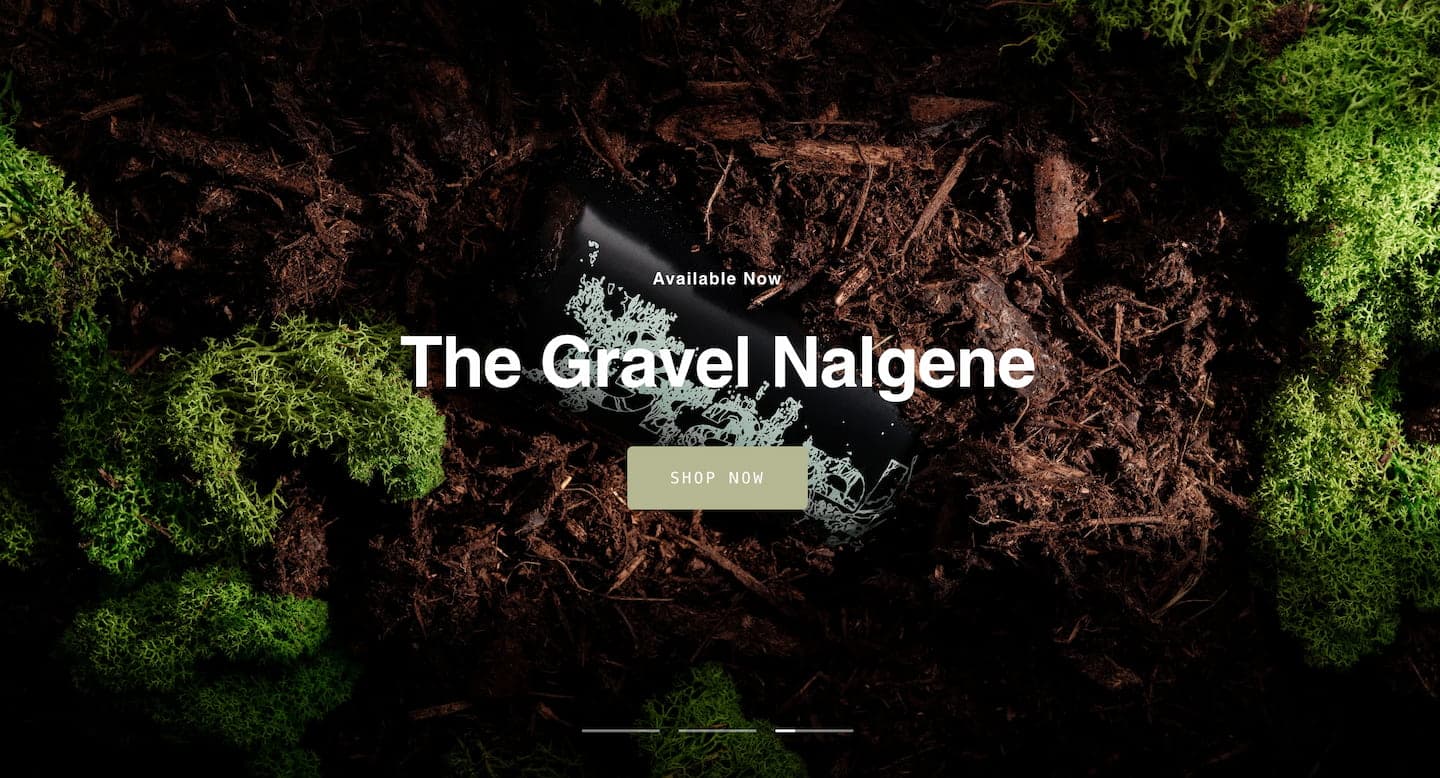
The brand builds travel gear for those who travel for the story. Gravel makes everything from packable blankets to everyday travel essentials, with a focus on products that last through real use.

With roots in Utah, they build gear that works across every kind of trip, helping make travel smoother without adding unnecessary complexity.
As the brand scaled, its audience split into two groups. One focused on women buying travel and outdoor blankets, while the other included men looking for bags, kits, and other travel gear.
“Gravel sells premium travel goods. Our business is actually split. Half our business is women buying blankets, and the other side is men buying travel goods like toiletry bags and duffel bags. And that was always the challenge, about trying to advertise appropriately to different audiences.”
That split made paid acquisition harder than it looked. Different audiences needed different messaging, but everything still pointed to the same place.
At that point, landing pages were not even part of the conversation.
We caught up with Chris Livingston to understand how a simple shift to Pagedeck helped Gravel test landing pages for the first time and quickly see a drop in acquisition costs.
The challenge: Scaling paid growth without the time or systems to support it
Gravel’s growth engine was paid media, but it was starting to strain. Customer acquisition costs were high, and scaling further would mean spending more without knowing whether returns would follow.

The team knew conversion needed improvement, but there was no system in place to make it happen.
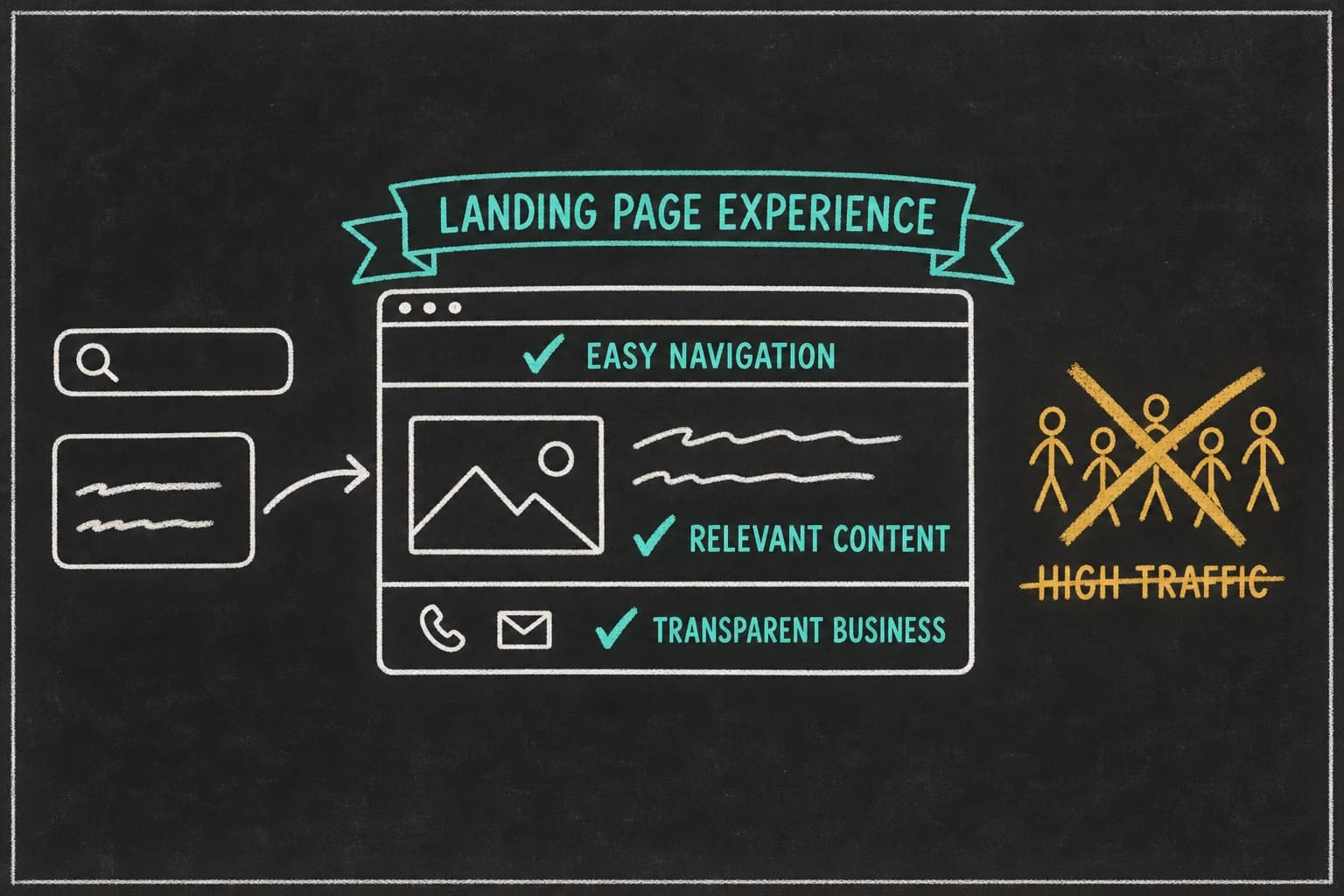
There was also a clear gap in how things were set up. Traffic was being pushed to the homepage; the experience after the click remained generic; and there was no way to test what resonated across audiences or product types.
“My main constraint was time. I’m one of the founders, and I only have so much of it. I didn’t have time to learn a complex tool with zero landing page experience and no one else to help. We were trying to find scale while maintaining ROAS, but we were paying a lot to acquire customers, and everything had to be done quickly by me.”
That combination created blockers. Spotting what to do next was easy, but the effort required to act on it didn’t always feel worth it right away.
So growth remained tied to what already existed rather than to what could be tested next.
The constraints were hard to ignore:
- Paid media costs were rising without a matching lift in conversion
- All traffic was routed to a generic homepage experience
- No system to test campaign-specific messaging or flows
- Limited time to adopt tools that required setup or learning
The solution: Moving to Pagedeck to turn ideas into live pages faster
Gravel needed a way to improve conversion without adding complexity or slowing down execution. After trying different approaches and hearing repeated promises from other tools, the focus shifted to something simpler: get pages live quickly and make them good enough to test.
Pagedeck fits that need immediately. It removed the friction between idea and execution, making it possible to build pages that looked polished, matched the brand, and worked across devices without extra effort.

“I think what stood out was that it was so easy to build a landing page that looked really good without worrying about things breaking, because everything from spacing to layout to how it looked across devices just worked, and I didn’t feel like I had to keep testing it over and over to make sure it was right.”
That ease of use made it possible to move faster and focus on testing instead of setup.
Here’s how Gravel’s workflow changed with Pagedeck:
- Pages could be built quickly without a long setup
- No dependency on developers or external support
- Templates provided a clear starting structure
- Pages rendered cleanly across devices and browsers
- Minimal issues with spacing, layout, or formatting
- Ideas could move from concept to live test quickly
- Existing pages could be reused and refined
- Testing became continuous instead of occasional
- Pages fit directly into campaigns without extra steps
The impact: 66% lower acquisition costs and immediate performance gains
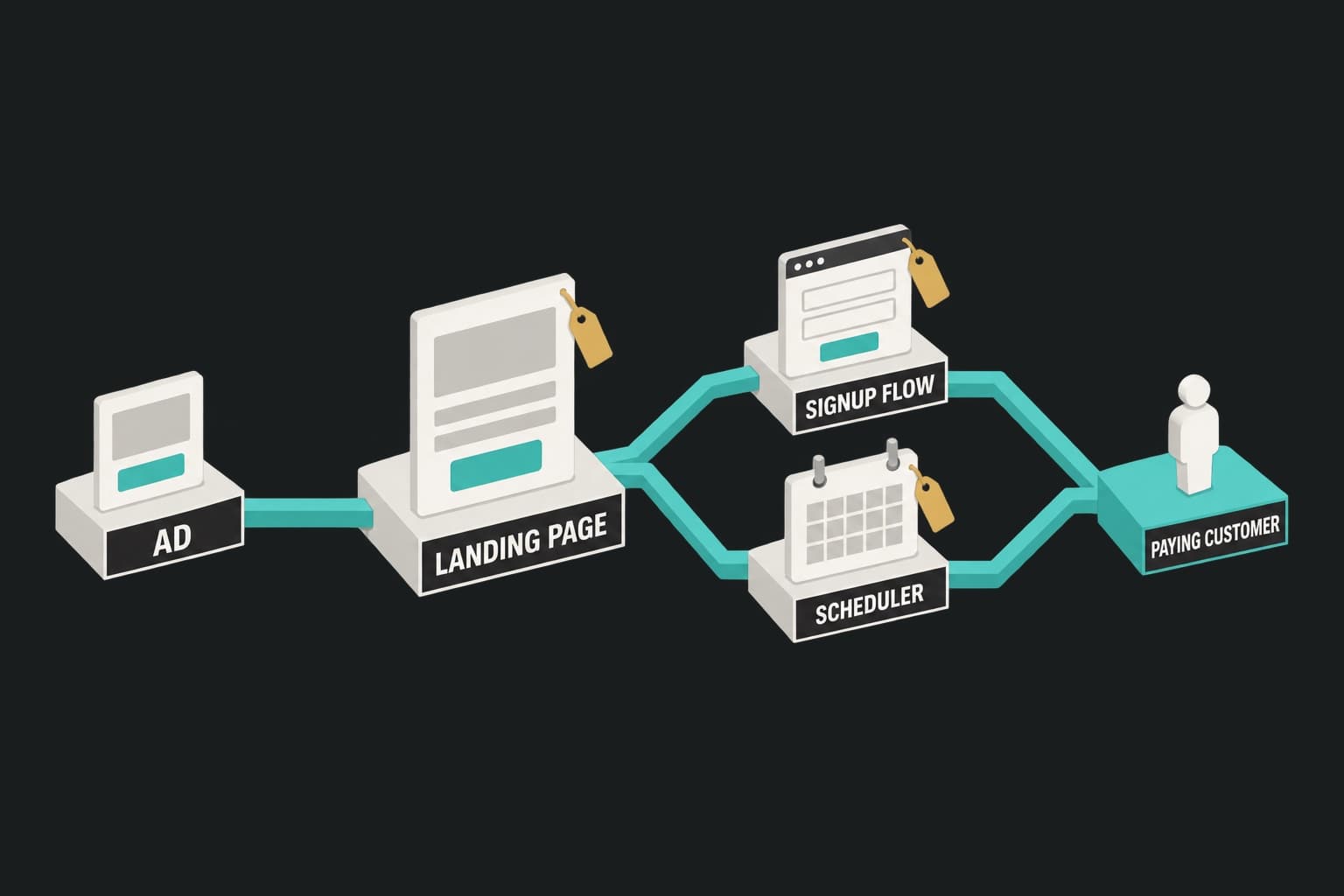
Pagedeck gave Gravel a way to move beyond homepage traffic and test landing pages tied to each campaign. The team started small, running controlled A/B tests with a limited portion of the budget.
Within weeks, the team saw clear improvements in cost per purchase across both sides of the business.
Instead of guessing what might work, they could test quickly, compare performance, and act on real signals. Even with a limited budget, the results were strong enough to make landing pages the default path for paid traffic.
“We took about 10% of our budget and ran a test between the homepage and the landing page, and very quickly we saw positive signals toward the landing pages performing better, with a 37% lower cost per purchase on one side and a 66% decrease on the other.”
This gave the team something they didn’t have before: control. They could improve performance without increasing spend and choose how to grow based on results.
The impact was seen across campaigns:
- 37% improvement in cost per purchase for one campaign
- 66% reduction in cost per conversion for another
- Fast validation cycle within two weeks
- Clear winner between homepage vs. landing page tests
- More efficient use of paid media budget
- Ability to scale without increasing losses
- Flexibility to prioritize profit or growth
- Better alignment between top-performing ad creatives and landing pages
- New campaigns built around specific audience segments
“Pagedeck gave us the single biggest lift with the least amount of effort, and those are hard to come by in marketing.”